Diamond-Stitched Organic Cotton Comforter

A Material Deep Dive: Egyptian Cotton, Silk, and Linen in Luxury Bedding

Explore the core fabrics that shape the texture, temperature, and longevity of high-end sheets and duvets. This is a non-promotional guide meant to illuminate the differences, skillfully balancing reportage with practical guidance. Think of it as a scholarly stroll through fabric science, with a few intimate portraits of time-tested textiles and the people who shape them.

Egyptian Cotton: Long-Staple Luxury and the Thread Count Myth

Egyptian cotton has long stood as a symbol of plush bedding, but its mystique rests not in a single metric but in a constellation of factors. The most legible feature on product pages—thread count—can mislead when considered alone. The real story is about fiber length (long-staple), what the loom does with that fiber, and how the yarns are finished. When a bed sheet says “Giza 45” or “Giza 87,” you are being told of a particular plantation lineage and a precise cultivar that yields longer fibers and a stronger, finer yarn.

In practice, softness and durability emerge from a negotiation among fiber length, spinning quality, weaving, and finishing. A 600-thread-count sheet made from marginally shorter fibers will not outclass a 400-thread-count sheet wrought from genuinely long-staple cotton. The beauty of true Egyptian long-staple cotton is most often felt in a balanced hand — not too crisp, not too slick — with a drape that helps a bed feel alive yet calm. The textile engineer’s dream is to marry a hand that feels clean and fresh with a fortitude that survives repeated washings.

To evaluate claims, readers are advised to seek certifications and provenance details: where the cotton was grown, how it was harvested, and what certifications (if any) accompany the fabric. Meanwhile, consumer intuition matters: touch, weight, and how the weave settles when the sheet is tucked and slept upon. The texture should feel like a second skin—cool in summer and comforting in winter, without the sensation of harsh stiffness or excessive sheen.

Silk: Temperature Regulation and Quiet Luxury

Silk has always spoken the language of comfort that appears almost effortless. Mulberry silk—the cornerstone of modern luxury bedding—delivers a smooth, lustrous surface that glides over the skin and hair. Its natural hygroscopic properties enable it to regulate moisture, keeping you cool when the night grows warm and retaining warmth in cooler hours. Silk is not merely about sheen; it is about microclimate management, and its care instructions reflect that delicate balance.

When evaluating silk bedding, consider weight (mommes, or momme), weave, and the presence of mulberry silk versus other silks. A 19–22 momme silk is typically robust for bedding applications, offering a harmonious blend of drape and resilience. Look for closures and seams that reflect meticulous tailoring, since the tactile payoff of silk is intimately tied to the integrity of its stitching and finishing.

Care is essential for preserving silk’s integrity. Gentle detergents, cold or lukewarm water, and air-drying or low-heat ironing are standard recommendations. Silk’s allure is heightened when one avoids aggressive washing conditions that can degrade the fiber’s sheen and suppleness over time. The result is a surface that remains gentle to the touch and keeps its character across seasons and years.

Linen: Breathability, Texture, and the Nightly Climate

Linen represents a different philosophy: weighty, open-weave fabric with a natural satin-like luster that becomes softer with use. Derived from flax, linen bedsheets are renowned for breathability and a distinctive texture that many sleepers associate with a hotel-like coolness. Linen’s true strength lies in its ability to wick moisture and maintain a sense of air around the body even as temperatures shift through the night.

Weighing the decision between linen and cotton often comes down to climate and personal rhythm. In warm climates or for sleepers who gravitate toward a crisp, slightly textured hand, linen can be an inspired choice. For those who prefer a softer, more enveloping feel, a linen-cotton blend or a high-quality cotton with a breathable weave can capture the best of both worlds.

Weave, Weight, and the Language of Comfort

The fabric’s weave is the second language of luxury bedding after fiber type. Percale, a crisp one-over-one-under weave, yields a matte, cool-handed sheet with clean lines. Sateen, with its four-over-one-under construction, offers a smoother, more lustrous surface. Both can be spun from cotton varieties (including Egyptian long-staple) or blended with silk and linen to alter the texture, weight, and temperature profile.

Weight matters, but not in kilograms alone; it’s about how a sheet feels when it drapes over a bed and how it ages after countless cycles in a washing machine. The goal is a fabric that feels timeless—comfortable at the outset, and more comfortable still as it settles into its character with time.

Practical Checklists for Evaluating Material Claims

  • Identify the fiber: Is it 100% the claimed fiber, or is it a blend? Check care labels and product literature for composition percentages.
  • Consider fiber length and origin: For Egyptian cotton, look for long-staple varieties and provenance notes; for silk, check mulberry origin and moth lineage if disclosed.
  • Assess weave and weight: Percale vs. sateen; weigh the anticipated texture and cooling effect; verify whether the weight aligns with your climate needs.
  • Look for certifications: GOTS, OEKO-TEX, and other credible seals can indicate responsible processing and safer dyes.
  • Inspect construction quality: Seams, stitch density, corner ties, and closures influence longevity more than surface gloss.
  • Read care guidance with care in mind: Delicate fabrics require gentler washing, lower temperatures, and sometimes specific detergents.

Time-Tested Care Tips to Extend Lifespan

Caring for luxury fabrics is not a ritual of deprivation; it is a daily practice of stewardship. Proper laundering, drying, and storage can extend the life of sheets, duvet covers, and pillow covers, preserving feel, color, and structural integrity.

  • Wash with mild detergents; avoid harsh bleaches and fabric softeners that can degrade fibers over time.
  • Separate colors and use appropriate water temperatures; delicate fibers benefit from cooler cycles.
  • Line-dry when possible; low-heat tumble drying can be acceptable for most cottons, while silk and linen may require air-drying or gentle cycles.
  • Store in a cool, dry place away from direct sunlight to preserve color and texture.
  • Rotate changing sets to evenly distribute wear and care routines, preventing uneven aging of the fabric.

Daily and Seasonal Layering: A Design Perspective

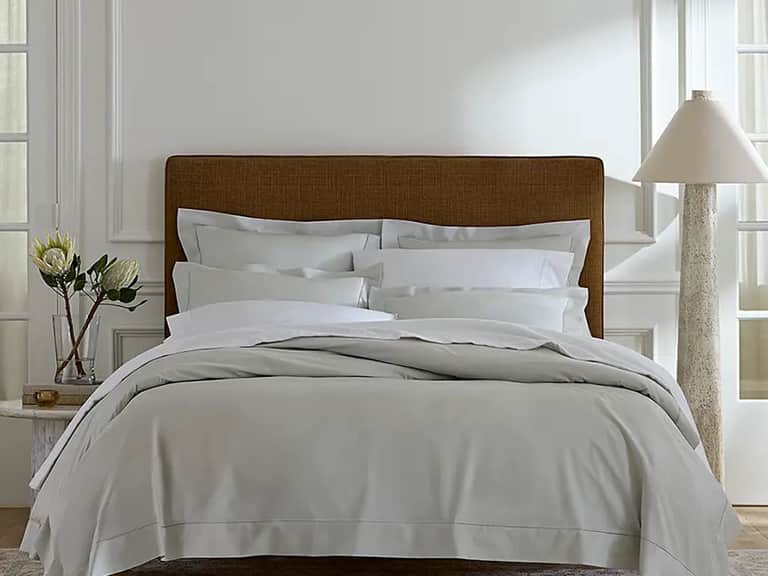
Beyond fabric science, the act of layering—sheets, duvet covers, blankets—shapes the night’s climate and the room’s mood. In luxury bedding, the interplay of textures matters as much as the fibers themselves. A well-considered layering strategy makes the bed both inviting and adaptable to changing seasons, while maintaining a quiet, refined aesthetic that readers might seek in design literature as much as in textile guides.

Three People, Three Periods: Time-Honored Voices in Textile Craft

Textiles are a conversation across centuries. Here are three figures who illuminate the craft from distinct moments in time, each offering a window into how we think about fabric, warmth, and the intimate rituals of sleep.

  • 1) Isaac Newton, 17th–18th century (The Scientific Awakening of Fabrics)

    Newton’s era was a crucible for precision and measurement. Though not a textiles specialist in the modern sense, his insistence on experimental rigor echoes in today’s fabric testing: fiber lengths, weave density, and chemical finishes are evaluated with a similar creed of careful observation. In our story of luxury bedding, we honor that lineage by insisting on evidence—provenances, certifications, and transparent documentation—where silk, cotton, and linen meet the consumer’s scrutiny.

  • 2) Colette Lemaire, mid-20th century (The Atelier Aesthete)

    In a period when modernists reframed interior textiles as objects of sculpture, Lemaire’s sensibility reminds us that texture and light have moral force in a room. Her influence lives on in the way bedding is treated as an element of architectural space, not merely a practical layer. The luxury of a duvet or the gleam of a sateen sheet becomes part of the room’s narrative texture—a quiet signature that signals taste and discipline rather than excess.

  • 3) Kelly Chen, contemporary textile scientist (Sustainability and sensorily precise textiles)

    Chen represents today’s confluence of science and stewardship. Her work on sustainable cotton, responsible processing, and fiber ecology helps readers understand why certifications matter, and why the environmental footprint of a luxury item deserves close attention. In this article’s spirit, Chen’s perspective anchors our discussion in a present where luxury bedding seeks not only comfort but a mindful relationship with the planet.

A Product-Integrated, Non-Promotional Perspective

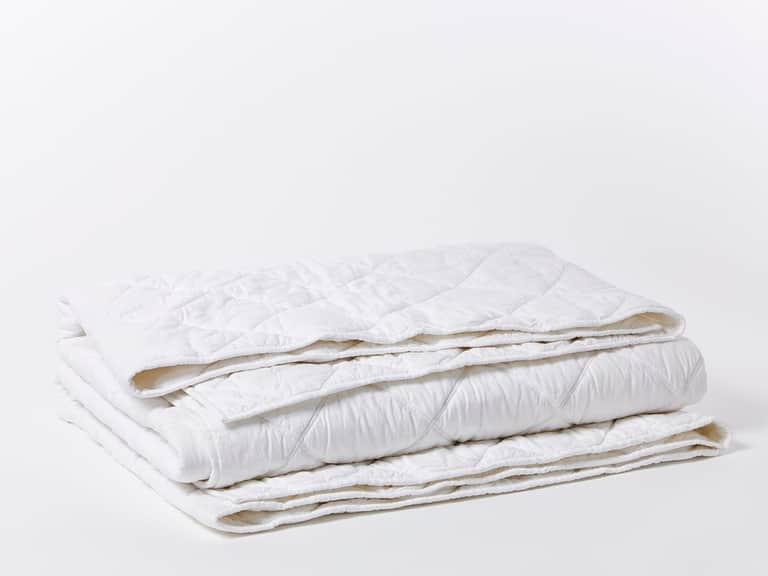
To anchor this material deep-dive in tangible terms, we consider a representative ensemble from the bedding landscape: the Diamond-Stitched Organic Cotton Comforter from Coyuchi, a piece that embodies the dialogue between lightness, structure, and sustainability. Its shell is 100% organic cotton, with a 360 gsm batting that invites a sense of “breathable warmth.” The double-needle diamond quilting offers a crisp edge while the corner loops ensure anchoring within a duvet cover. Certifications such as GOTS and Fair Trade underpin responsible sourcing and production.

Designed for everyday luxury, this comforter exemplifies how a single textile decisions cascade into a broader sleep experience: warmth without weight, a drape that remains inviting after countless cycles, and a small, quiet set of details that keep the bed aligned and comfortable through the seasons. It’s not a call to choose one fabric over another; it’s an invitation to understand how a single product embodies centuries of craft and evolving technology.

“The fabric speaks softly, but if you listen, it tells a story about season, provenance, and care.”

Editorial voice, inspired by The New Yorker’s observational style

“A bed is architecture for the human body; the textiles are the finishing plaster that makes the room live.”

Design thinker’s reflection

Conclusion: A Thoughtful Compass for Luxurious Sleep

In the museum of textiles, Egyptian cotton, silk, and linen stand as three distinct voices—each with its own cadence, warmth, and memory. This article has attempted to listen to all three at once, translating their whispers into a practical compass for readers who seek to understand luxury bedding without being marketed to. By foregrounding material science, care, and provenance, we aim to elevate the conversation beyond the allure of gloss and the siren song of headline-worthy thread counts.

Readers are invited to approach product literature with a surgeon’s curiosity: question the numbers, seek clarity on certification, and value a bed that ages gracefully as one would a well-loved book. The goal is not to idolize a single fiber but to cultivate a deep understanding of how fabrics behave, feel, and endure—so that every night becomes a refined, restorative ritual.

Notes on Sources and Context

The observations offered here synthesize a broad spectrum of textile knowledge, including industry practices around long-staple cotton, the properties of silk in bedding applications, and linen’s climate-control advantages. The product example included—Diamond-Stitched Organic Cotton Comforter—serves as a concrete touchpoint for discussion about construction, certification, and sustainability in a modern luxury context. Readers seeking deeper technical detail are encouraged to explore material specifications, weave charts, and certification standards from recognized textile authorities.


Selected Product

Diamond-Stitched Organic Cotton Comforter

A luxuriously breathable comforter crafted from a 100% organic cotton shell with 360 gsm batting. It features double-needle diamond quilting and corner loops to anchor in a duvet cover.

Certifications: GOTS, Fair Trade

Origin: India

Price: $318.00
Product Preview

Image: Diamond-Stitched Organic Cotton Comforter

This article embraces a non-promotional stance, focusing on material science, care, and thoughtful consumer education in luxury bedding.

Related Products

Diamond-Stitched Organic Cotton Comforter

Coyuchi

Diamond-Stitched Organic Cotton Comforter

Experience breathable warmth with luxe comfort—organic cotton shell and 360 gsm batting, diamond quilting for durability, corner loops to stay put in your duvet, and easy care that keeps its shape wash after wash.
Sassetta Duvet Cover - Online Exclusive

Sferra

Sassetta Duvet Cover - Online Exclusive

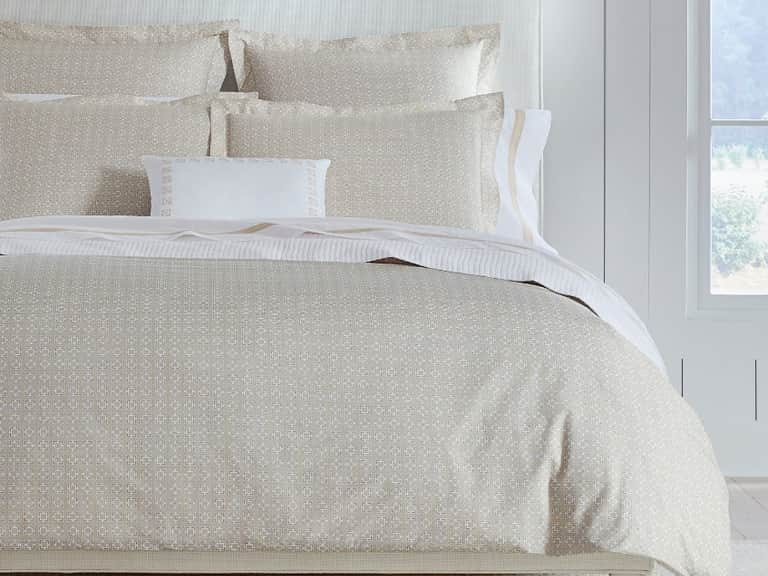
Italian-made duvet cover with a breathable, crisp percale feel; front geometric print, back solid white for versatile style. Sleep cooler, easy washing, and timeless design that elevates any bed with a clean, architectural touch.
Luxor Fitted Sheet

Sferra

Luxor Fitted Sheet

Sleep cooler and crisper with Italian-crafted Luxor—100% Egyptian cotton, percale finish, breathable weave, refined hemstitching, and a smooth, durable surface for effortless, comfortable nights.

Theme